



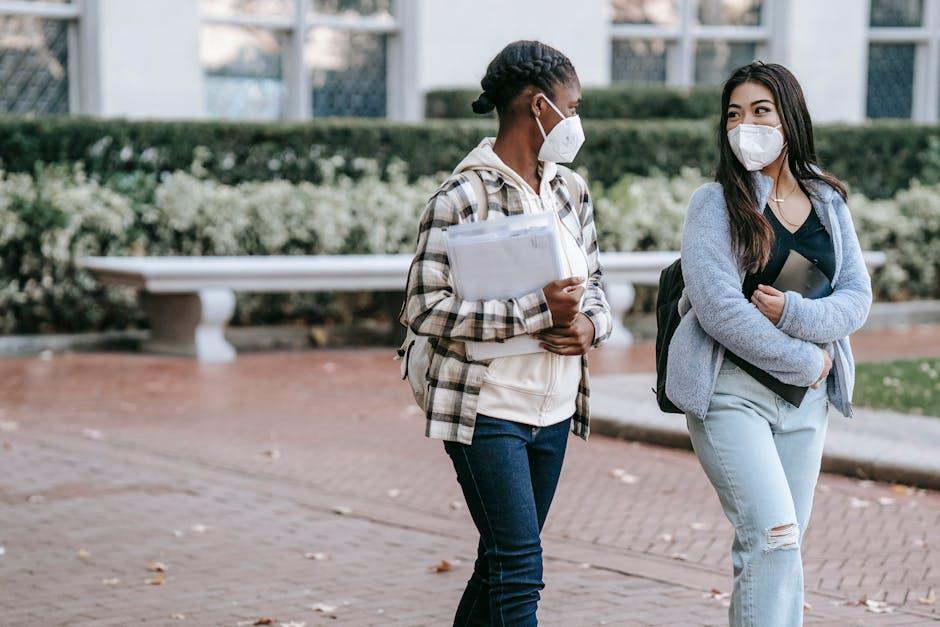
Imagine this: you're finally a college student, exploring a new city, meeting amazing people, and learning about your passions. But what if that excitement is overshadowed by fear? Sadly, for many students, safety concerns are a real worry when choosing a college.
Parents and students alike are increasingly concerned about campus safety, especially in light of recent events. While every college strives to provide a safe environment, the location of a college can play a huge role in your overall safety and peace of mind. That's why it's crucial to consider where you're going to school, not just what you'll study.
This blog post will guide you through the process of evaluating the safety of potential college locations. We'll explore key factors to consider and provide practical tips for making informed decisions about your future.
When choosing a college, it's important to go beyond academics and social life and consider the safety of your potential new home. Think of it this way: you're going to spend a significant amount of time in this location, so you want to feel comfortable and secure. Here are some key factors to consider:
- Crime Rates: Don't just look at the overall crime rate for the city or town where the college is located. Dig deeper and check the crime statistics for the specific neighborhood where the campus is located. You can use resources like the FBI's Uniform Crime Reporting program or visit the local police department website to find this information. For example, a college located in a bustling downtown area might have higher crime rates than one situated in a quieter, more residential neighborhood.
- Campus Security: Every college has its own security measures, so it's important to research what they are. Look for things like campus police presence, security cameras, emergency response systems, and safety escorts. Many colleges offer safety tips and resources on their websites, so be sure to check them out. For example, some colleges have a "Safe Walk" program where students can request a campus escort to walk them to their destination at night.
- Neighborhood Safety: The surrounding neighborhood can significantly impact your well-being. Consider factors like lighting, pedestrian traffic, and proximity to potential hazards. A well-lit, busy street with lots of foot traffic is generally safer than a dark, deserted street. You can also look for things like the presence of streetlights, security cameras, and community policing initiatives. For example, if you're a student who enjoys walking or biking, you might want to choose a college located in a neighborhood with bike lanes and sidewalks.
- Transportation: Having safe and reliable transportation options is crucial for students. Consider the availability of public transportation, ride-sharing services, and campus shuttles. If you plan to drive, research parking options and traffic patterns. For example, a college with a good public transportation system might be a better choice than one that is located in a remote area with limited options.
Now that you've considered the factors above, it's time to gather some concrete information. Here are some valuable resources to help you make informed decisions:
- College Websites:
- The first place to start is the college's website. Look for sections dedicated to campus safety, security policies, and emergency plans.
- Many colleges also publish crime statistics on their websites. For example, you might find information on the number of reported incidents of theft, assault, or vandalism.
- Campus Safety Reports:
- Did you know that colleges are required to publish annual security reports under the Clery Act? This federal law mandates transparency about crime on campus.
- These reports provide detailed information about crime incidents, safety measures, and policies. You can typically find these reports on the college's website or by contacting the campus police department.
- Online Safety Resources:
- There are many reputable websites and organizations that offer valuable information and resources on college safety.
- For example, the National Center for Missing and Exploited Children (NCMEC) provides resources on child safety, including tips for staying safe online and in person.
- The National Coalition Against Domestic Violence (NCADV) offers information and support for victims of domestic violence, including resources for college students.
By utilizing these resources, you can gain a comprehensive understanding of the safety measures in place at your potential college and make informed decisions about your future. Remember, your safety is paramount, and taking the time to research these resources can help you feel confident and secure in your college choice.
While crime statistics are important, they don't tell the whole story. It's crucial to consider the campus culture and how it impacts safety. Think about the kind of environment you want to be in. Do you want a college with a strong sense of community, where everyone looks out for each other? Or are you more comfortable in a place with a more independent vibe?
Research student organizations, community involvement, and the college's commitment to inclusivity and respect. A college that actively promotes a culture of respect and inclusivity is more likely to have a safer environment. Look for colleges that have programs and initiatives that address issues like sexual assault prevention, diversity and inclusion, and mental health awareness. For example, a college with a strong student government and active student groups focused on social justice issues might be a good indicator of a supportive and safe campus culture.
Personal safety practices are also important. Even in the safest of environments, it's always a good idea to be aware of your surroundings. Travel in groups, especially at night. Avoid isolated areas and report any suspicious activity or concerns to campus security. These simple steps can go a long way in keeping you safe.
Choosing a college is a big decision, and safety should be a top priority alongside academics and social life. You want to find a place where you can thrive, but also feel secure and comfortable. Remember, the location of a college can significantly impact your overall safety and peace of mind.
We encourage you to thoroughly research potential locations using the resources and tools mentioned in this blog post. Don't just rely on statistics – consider the campus culture, student organizations, and the college's commitment to inclusivity and respect. A college that promotes a culture of respect and inclusivity is more likely to have a safer environment.
Take an active role in ensuring your safety on campus. Be aware of your surroundings, travel in groups, avoid isolated areas, and report any suspicious activity to campus security. By taking these steps, you can help create a safer environment for yourself and your fellow students. Remember, your safety is paramount, and it's worth taking the time to research and make informed decisions about your future.