



Ever feel like you're running on fumes? Like your brain is foggy, your energy is zapped, and you just can't seem to focus? You're not alone! It turns out, what you eat has a huge impact on how you feel, both physically and mentally.
So, what exactly is "well-being"? It's basically feeling good about yourself and your life. It's about having the energy to tackle your day, the mental clarity to focus on your studies, and the emotional strength to handle life's ups and downs. And guess what? Healthy eating plays a big role in all of that!
This post is all about how fueling your body with the right foods can help you feel your best. We'll explore how healthy eating habits can boost your energy, sharpen your mind, and even improve your mood. Ready to unlock your full potential? Let's dive in!
Think of your body like a high-performance car. It needs the right fuel to run smoothly and efficiently. Just like gasoline powers a car, food provides your body with essential nutrients that keep everything running. These nutrients are like the building blocks for your body, supporting everything from your brain to your bones.
Eating a balanced diet rich in fruits, vegetables, whole grains, and lean proteins gives you the energy you need to power through your day, whether it's crushing your workouts, acing your exams, or just keeping up with your busy schedule. It also helps strengthen your immune system, making you less likely to get sick. And that means fewer missed days of school and more time to focus on what matters most.
But the connection between food and well-being goes beyond just physical health. What you eat can also have a big impact on your mental health. Ever notice how you feel sluggish and grumpy after eating a sugary donut? That's because certain foods can trigger mood swings and make it harder to concentrate. On the other hand, eating a healthy, balanced meal can help you feel more focused, energized, and even happier. Think of it like this: your brain is like a muscle, and just like any muscle, it needs the right fuel to perform at its best.
For example, foods rich in omega-3 fatty acids, like salmon and walnuts, are known to support brain health and improve cognitive function. So, next time you're feeling stressed or overwhelmed, try reaching for a healthy snack instead of a sugary treat. You might be surprised at how much better you feel!
So, how do you actually put these healthy eating principles into practice? It's all about making small, sustainable changes to your daily routine. Here are some tips to get you started:
1. Balance Your Plate: Think of your meals like a colorful puzzle. Aim for a balanced plate with a mix of different food groups:
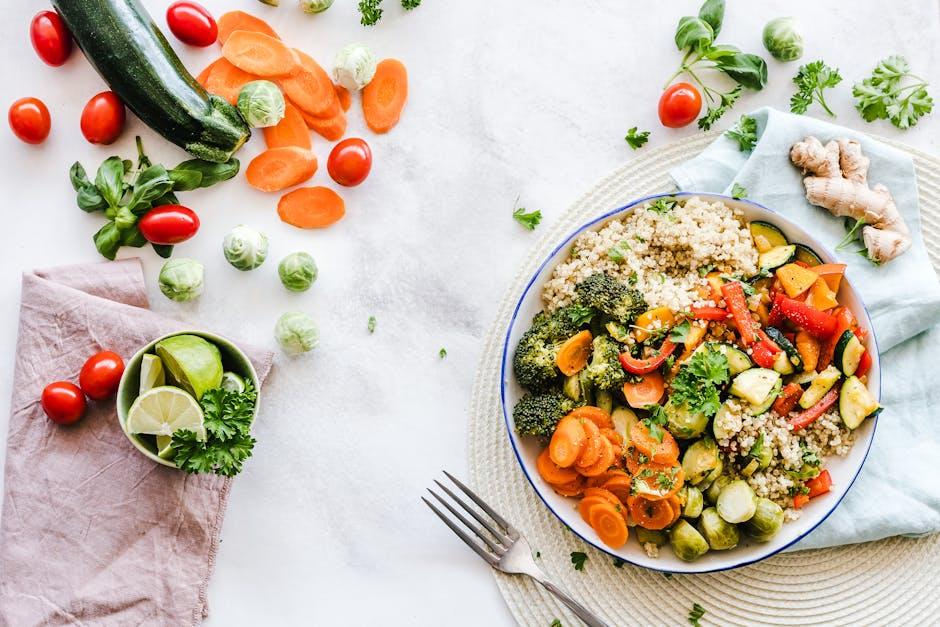
- Fruits and Vegetables: These are packed with vitamins, minerals, and fiber, which are essential for a healthy body and mind. Try to include at least five servings of fruits and vegetables every day. Get creative with your choices! Instead of just eating the same old apple every day, try a kiwi, mango, or berries. And don't forget about veggies! Add some spinach to your smoothies, try roasted broccoli with dinner, or pack a handful of baby carrots for a snack.
- Whole Grains: Whole grains like brown rice, quinoa, and whole-wheat bread provide sustained energy and fiber, which helps you feel full and satisfied. Swap out refined grains like white bread and white rice for their whole-grain counterparts.
- Lean Proteins: Lean proteins like chicken, fish, beans, and tofu are essential for building and repairing tissues, as well as keeping you feeling full and energized. Try grilling chicken for dinner, adding beans to your salads, or making a tofu scramble for breakfast.
- Healthy Fats: Healthy fats, like those found in avocados, nuts, and olive oil, are important for brain function and overall health. Don't be afraid to include them in your diet, but be mindful of portion sizes.
2. Portion Control: It's easy to overeat, especially when it comes to tempting treats. But learning to control your portions can make a big difference in your overall health. Here are a few tips:
- Use smaller plates: This can help you visually trick your brain into thinking you're eating more than you actually are.
- Read food labels: Pay attention to serving sizes and calories.
- Listen to your body: Eat until you're comfortably full, not stuffed.
3. Mindful Eating: Mindful eating is all about paying attention to your food and your body's signals. It's about savoring each bite and eating slowly, so you can truly enjoy your food and feel satisfied. Here are some ways to practice mindful eating:
- Turn off distractions: Put away your phone and focus on your meal.
- Eat at the table: Avoid eating in front of the TV or computer.
- Chew your food thoroughly: This helps your body digest it better.
- Pay attention to your hunger and fullness cues: Don't eat just because food is there.
4. Limit Processed Foods, Sugary Drinks, and Unhealthy Fats: These foods are often high in calories, sugar, and unhealthy fats, which can contribute to weight gain, inflammation, and chronic diseases. Try to limit your intake of:
- Processed foods: These are foods that have been heavily processed and often contain added sugars, unhealthy fats, and artificial ingredients. Read food labels carefully and choose whole, unprocessed foods whenever possible.
- Sugary drinks: Soda, juice, and energy drinks are loaded with sugar, which can lead to weight gain, tooth decay, and other health problems. Stick to water, unsweetened tea, or sparkling water.
- Unhealthy fats: These are found in fried foods, fatty meats, and processed snacks. Choose lean proteins, healthy fats, and whole grains instead.
5. Hydrate, Hydrate, Hydrate: Water is essential for life! It helps regulate body temperature, transport nutrients, and flush out toxins. Aim to drink at least eight glasses of water per day. You can also get fluids from fruits and vegetables.
By incorporating these tips into your daily routine, you can start building healthy eating habits that will fuel your well-being and help you feel your best! Remember, it's all about making small, sustainable changes that you can stick with over time. So, take it one step at a time, and enjoy the journey!
High school can be a whirlwind of activities, deadlines, and social events, making it tough to prioritize healthy eating. But don't worry, you can still fuel your body right even with a busy schedule! Here are some strategies to overcome common challenges:
Time Crunch? Meal prepping is your best friend! Set aside a few hours on the weekend to cook a big batch of healthy meals like roasted chicken or a lentil soup. You can portion them out and grab them quickly throughout the week. Also, keep healthy snacks like fruits, veggies, and nuts on hand for those moments when you're short on time.
Cravings Got You? Everyone has cravings, but instead of reaching for that sugary treat, try satisfying them with healthier alternatives. Swap out a bag of chips for a handful of almonds or a smoothie with fruit and yogurt. And remember, it's okay to indulge occasionally, but try to make it a conscious choice, not a knee-jerk reaction.
Meal Planning and Grocery Shopping: Planning your meals ahead of time can help you make healthier choices and avoid impulse buys. Take a few minutes each week to browse recipes and create a grocery list. This way, you'll have all the ingredients you need to cook healthy meals at home. Remember, it's easier to stick to your plan if you have the right ingredients on hand!
Cooking at Home: Cooking your own meals gives you control over the ingredients and portion sizes. Don't be intimidated by complicated recipes; start with simple ones like stir-fries, salads, or baked chicken. There are tons of easy and healthy recipes online, so get creative!
Seeking Support: Don't be afraid to ask for help! Talk to your family and friends about your healthy eating goals. They can offer support and encouragement. You can also consult a registered dietitian for personalized advice and guidance.
Listen to Your Body: Pay attention to your hunger and fullness cues. Eat when you're truly hungry and stop when you're comfortably full. Don't eat just because food is there or because you're bored. Your body will tell you what it needs.
Remember, making healthy choices is a journey, not a destination. Be kind to yourself, celebrate your successes, and don't be afraid to experiment and find what works best for you!
This post has highlighted the powerful connection between healthy eating habits and overall well-being. By fueling your body with the right nutrients, you can boost your energy, sharpen your mind, and even improve your mood. Remember, healthy eating isn't about being perfect, it's about making small, sustainable changes that you can stick with over time.
Don't try to overhaul your entire diet overnight. Start by making one or two small changes, like swapping out sugary drinks for water or adding more fruits and vegetables to your meals. Celebrate your successes along the way, no matter how small they may seem. Every step you take towards healthier eating habits is a step towards a better you!
Ready to embark on this journey? Start by taking a look at your current eating habits and identify areas where you can make improvements. Try incorporating some of the tips we've discussed, like meal prepping, mindful eating, and limiting processed foods. And don't be afraid to seek support from family, friends, or a registered dietitian. You've got this!