



Imagine this: You're in class, working on a group project. You're excited about your ideas, but your teammates seem uninterested. Or maybe you're trying to land your dream summer job, but you freeze up during the interview. These are just a couple of examples of how lacking strong interpersonal skills can hold you back.
But don't worry! Interpersonal skills are like any other skill – you can learn and improve them. Interpersonal skills are the abilities that help you connect with others effectively. They're how you communicate, build trust, resolve conflicts, and work together in a way that's positive and productive. These skills are crucial for success in school, work, and even your personal life.
This blog post will dive into some key areas of interpersonal skills that can help you level up your relationships. We'll explore communication, active listening, empathy, conflict resolution, and teamwork. Get ready to unlock your potential and build stronger connections with everyone around you!
Think about how frustrating it is when someone doesn't really seem to be listening to you. Maybe they're scrolling through their phone while you're talking about your big test next week, or they keep interrupting with their own stories. Active listening is the key to avoiding these communication breakdowns. It's about more than just hearing the words someone says – it's about truly understanding their message, both verbally and nonverbally.
So how can you become a better active listener? Here are a few tips:
- Make eye contact: Looking at the person you're talking to shows them you're engaged and interested. Think about how much more you pay attention to someone who's looking directly at you.
- Ask clarifying questions: If you're unsure about something, don't be afraid to ask for clarification. For example, instead of saying "Oh, that's cool," you could ask, "So you're saying that you're going to try out for the soccer team? What position are you thinking about?"
- Paraphrase what you hear: Repeating back what you've understood in your own words shows the other person that you're really listening. This also helps to ensure that you're on the same page. For example, you could say, "So, it sounds like you're feeling stressed about your upcoming exams."
Active listening has major benefits. It helps you to build stronger relationships, communicate more effectively, and resolve conflicts more peacefully. When you actively listen to someone, they feel heard and understood, which can lead to a more positive and productive interaction. So, next time you're having a conversation, try to focus on truly listening to the other person. You might be surprised at how much it improves your connection.
Clear and concise communication is like a superpower. It allows you to get your point across without any confusion, which is essential for building strong relationships. Imagine trying to explain your favorite video game to someone who's never played it before. If you use confusing terms or leave out important details, they might not understand what you're talking about. The same goes for your relationships. When you communicate clearly, people understand you better, and you can avoid misunderstandings and hurt feelings.
Here are some strategies to help you express yourself effectively:
- Use "I" statements: Instead of blaming others, take ownership of your feelings and thoughts. For example, instead of saying, "You made me mad," try saying, "I felt angry when you said that." This helps to avoid putting others on the defensive and makes it easier for them to understand your perspective.
- Avoid accusatory language: Words like "always" and "never" can make people feel attacked. Instead, focus on specific examples and behaviors. For example, instead of saying, "You always forget to do the dishes," try saying, "I noticed that the dishes weren't done this morning. Could you please help out with them next time?"
- Pay attention to your nonverbal cues: Your body language, facial expressions, and tone of voice can speak volumes. If you're rolling your eyes while someone's talking, even if you're saying something positive, they might pick up on your negative attitude. Be mindful of your nonverbal cues and make sure they match your words. For example, if you're trying to have a serious conversation with a friend, avoid fidgeting or looking around the room. This shows them that you're focused on what they're saying.
Mastering these communication skills can help you build stronger relationships with your friends, family, teachers, and classmates. It's about making sure that your message is received loud and clear, leading to more understanding and less conflict. So, next time you're trying to communicate something important, remember to use clear and concise language, "I" statements, and pay attention to your nonverbal cues. It can make all the difference in the world!
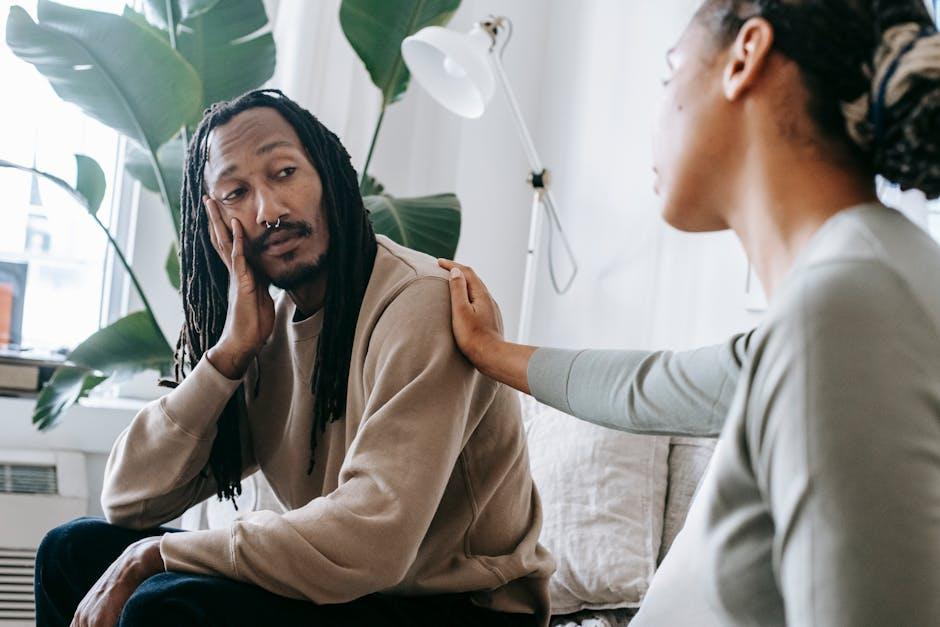
Empathy is like putting on someone else's shoes and walking a mile in them. It's about understanding and sharing their feelings, even if you don't agree with them. Empathy is super important because it helps you build strong relationships, connect with others on a deeper level, and resolve conflicts more peacefully. Think about it: Would you rather be friends with someone who always judges you, or someone who tries to understand where you're coming from?
So how can you become more empathetic? Here are some tips:
- Practice active listening: Remember those active listening tips we talked about earlier? They're super helpful for building empathy too! When you really listen to someone, you're paying attention to their words, their tone of voice, and their body language. This helps you to understand their emotions and perspectives.
- Consider different perspectives: It's easy to get stuck in our own way of thinking, but try to step outside of your own bubble and see things from someone else's point of view. For example, if your friend is upset about a bad grade, try to imagine how you would feel in their shoes. What might be causing their stress? What could you do to support them?
- Imagine yourself in their situation: This technique is like putting yourself in a mental time machine and experiencing what they're going through. For example, if your classmate is struggling with a difficult family situation, try to imagine how that might be affecting them. What kind of emotions might they be feeling? How might they be behaving differently because of this situation?
Empathy can make a huge difference in your relationships. When you show empathy, you let people know that you care about them and that you're willing to understand their point of view. This can help to resolve conflicts more easily, build stronger friendships, and create a more positive and supportive environment for everyone. So, next time you're interacting with someone, try to put yourself in their shoes and see the world through their eyes. You might be surprised at how much it changes your perspective and strengthens your relationships!
Let's face it, disagreements happen. Whether it's a clash with your friend over plans for the weekend or a heated debate in your history class, conflicts are a normal part of life. The key is learning how to handle them in a healthy way. Think of it like a video game: You can choose to fight with your fists and get nowhere, or you can level up your conflict resolution skills and find a peaceful solution.
So, how do you navigate these disagreements like a pro? Here are some strategies:
- Stay Calm: When emotions are running high, it's easy to say things you regret. Take a deep breath, count to ten, or even take a break from the conversation if you need to cool down. This will help you think clearly and avoid escalating the situation.
- Focus on Solutions: Instead of dwelling on who's right or wrong, try to find a way to move forward. What can you both do to resolve the issue and find a solution that works for everyone?
- Use "I" Statements: Instead of blaming the other person, express your feelings and needs using "I" statements. For example, instead of saying, "You always forget to do the dishes," try saying, "I feel frustrated when the dishes aren't done because it makes me feel like I'm doing all the work." This helps to avoid putting the other person on the defensive.
Remember, compromise is key! It's about finding a solution that meets both of your needs, even if it means making some sacrifices. Think of it like a negotiation: You might not get everything you want, but you can still find a mutually acceptable outcome. And who knows, you might even learn something new about the other person's perspective in the process!
Trust is like the glue that holds relationships together. It's that feeling of confidence you have in someone, knowing they'll be there for you, be honest with you, and treat you with respect. Without trust, relationships can feel shaky and uncertain. Imagine trying to build a house without a strong foundation – it wouldn't last very long!
So how do you build trust with your friends, family, and classmates? It's all about being reliable, honest, and respectful. Think about it: Would you trust someone who always cancels plans at the last minute, tells lies, or makes fun of you behind your back? Probably not! But if you show up on time, tell the truth, and treat others with kindness, you'll earn their trust and build stronger connections.
Another important aspect of building trust is being vulnerable. Sharing personal experiences and feelings can help you connect with others on a deeper level. It shows them that you're willing to be open and honest, which can lead to a more authentic and meaningful relationship. Of course, you don't have to share everything with everyone, but being open and honest about your thoughts and feelings can help to build trust and strengthen your bonds.
For example, if you're struggling with something, confiding in a friend or family member can help you feel supported and understood. Or, if you're excited about something, sharing your enthusiasm with someone can help to create a shared experience and strengthen your connection. Remember, being vulnerable doesn't mean being weak – it shows strength and courage!
This blog post has explored some key interpersonal skills that can help you level up your relationships. We've discussed the importance of active listening, effective communication, empathy, conflict resolution, and building trust. By mastering these skills, you can build stronger connections with everyone around you, whether it's your friends, family, teachers, or classmates.
Remember, these skills are like any other – the more you practice them, the better you'll become. So, make an effort to be a better listener, communicate clearly, show empathy, resolve conflicts peacefully, and build trust in your daily interactions. You'll be amazed at the positive impact it has on your relationships.
We'd love to hear from you! Share your own experiences and insights on interpersonal skills in the comments below. What are some challenges you've faced? What strategies have you found helpful? Let's learn from each other and continue to level up our relationships together!