


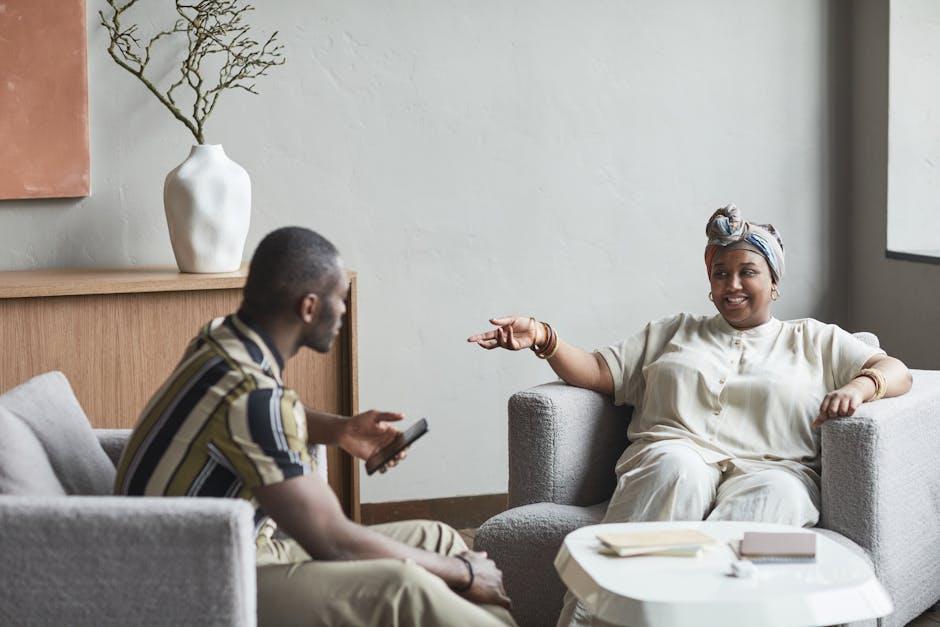
Imagine walking into a room full of people and feeling completely at ease, able to strike up conversations and build genuine connections. This isn't just a superpower, it's the result of strong interpersonal skills. In today's world, where everything from landing a job to navigating friendships involves interacting with others, these skills are more important than ever.
So, what exactly are interpersonal skills? They're the abilities that help us connect with others in a meaningful way. Think about it like this: interpersonal skills are the tools in your communication toolbox. They allow you to understand others, express yourself clearly, and build strong relationships. Whether you're trying to collaborate on a group project, ace a job interview, or simply make new friends, mastering these skills is key to your success.
This blog post will guide you through the essential elements of building strong interpersonal skills, covering areas like active listening, empathy, communication, and conflict resolution. By the end, you'll have a roadmap for becoming a master communicator and building meaningful connections with everyone you meet.
Active listening isn't just about hearing the words someone says, it's about truly understanding their message, both verbal and non-verbal. Think of it like this: it's the difference between passively listening to your favorite song and actively playing an instrument along with it. When you actively listen, you're fully engaged, not just hearing the notes, but feeling the rhythm and understanding the melody. This kind of deep listening is the foundation for building strong relationships.
How do you become an active listener? It's all about showing the other person that you care about what they have to say. Here are some practical tips:
- Maintain eye contact: Looking someone in the eye shows that you're paying attention and interested in what they're saying. Think about how you feel when someone looks away while you're talking – it can make you feel like they're not really listening.
- Nod and use other non-verbal cues: Nodding your head, tilting your head slightly, or using other subtle body language signals that you're engaged and understanding. Imagine you're in a debate club and you see your opponent nodding along with your argument – it makes you feel like they're taking your points seriously.
- Ask clarifying questions: If something isn't clear, don't be afraid to ask for clarification. This shows that you're really trying to understand their perspective. For example, if your friend is talking about a stressful situation, you could ask, "So, what specifically is making you feel stressed about this?"
- Avoid interruptions: Let the other person finish their thoughts before jumping in with your own. Imagine you're giving a presentation and someone keeps interrupting you – it's frustrating, right? Give others the same courtesy.
Active listening not only makes people feel heard and valued, but it also helps you understand their perspective better. Think about a time when you were having a disagreement with a friend. Instead of getting defensive, you actively listened to their side of the story. By doing so, you were able to see the situation from their point of view, which helped you find a solution that worked for both of you. Active listening can be a powerful tool for resolving conflicts and building stronger relationships.
Empathy is the ability to understand and share the feelings of another person. It's like putting yourself in their shoes and seeing the world from their perspective. Empathy is crucial for building strong connections because it helps you connect with people on a deeper level, making them feel understood and valued.
Sympathy vs. Empathy: While sympathy involves feeling sorry for someone, empathy goes beyond that. It's about truly understanding their emotions and experiences. Imagine your friend is feeling down after a bad test. Sympathy might involve saying, "I'm sorry you didn't do well." Empathy would involve saying, "I can imagine how disappointed you must feel. I remember how stressed I was when I had that big test in history last year." Empathy shows that you're not just acknowledging their feelings, but that you genuinely understand what they're going through.
Developing Empathy: Here are some ways to cultivate empathy:
- Practice Mindfulness: Pay attention to your own emotions and how they affect your thoughts and actions. This awareness can help you better understand the emotions of others. Try practicing mindfulness techniques like meditation or deep breathing.
- Engage in Active Listening: We already talked about how active listening is key to understanding others. By focusing on what they're saying and how they're saying it, you can gain insights into their feelings and perspectives.
- Seek Out Diverse Experiences: Expose yourself to different cultures, viewpoints, and life experiences. This will help you broaden your understanding of the world and develop empathy for people from different backgrounds. Think about joining a club or volunteering in your community to connect with people from different walks of life.
Empathy is a powerful tool for building strong relationships. When you show empathy, you create a sense of trust and understanding, making people feel seen and heard. It's a skill worth developing, and the more you practice it, the more naturally it will come to you.
Clear and concise communication is the lifeblood of any strong relationship. Think about it: how can you build a strong connection with someone if you can't understand each other? Being able to express yourself clearly and effectively is essential for getting your point across, building trust, and avoiding misunderstandings.
Here are some tips to help you communicate more effectively:
- Use "I" statements: Instead of blaming others, take ownership of your feelings and thoughts. For example, instead of saying, "You always make me feel bad," try saying, "I feel hurt when you say that." Using "I" statements helps you express your feelings without accusing the other person.
- Choose your words carefully: Think about the impact of your words before you speak. Are they respectful and considerate? Are they likely to be understood by the other person? For example, if you're trying to give feedback to a friend, choose words that are constructive and positive, rather than harsh or critical.
- Pay attention to nonverbal cues: Your body language, tone of voice, and facial expressions can communicate just as much as your words. Make sure your nonverbal cues are consistent with your message. For example, if you're trying to express your excitement about a new project, your tone of voice and facial expressions should reflect that enthusiasm.
Common Communication Barriers:
Sometimes, even with the best intentions, communication can break down. Here are some common barriers to effective communication:
- Assumptions: Don't assume you know what someone is thinking or feeling. Ask clarifying questions to make sure you understand their perspective.
- Distractions: Put away your phone and focus on the conversation. Avoid distractions that can make it difficult to listen and respond effectively.
- Different communication styles: Everyone has their own unique way of communicating. Be aware of your own communication style and be willing to adapt to the communication style of others.
Overcoming Communication Barriers:
- Practice active listening: We talked about this earlier, but it's so important! By actively listening, you can better understand the other person's perspective and avoid misunderstandings.
- Seek clarification: If something isn't clear, don't be afraid to ask for clarification. It's better to ask than to make assumptions.
- Be open-minded: Be willing to consider different perspectives and opinions. This will help you build understanding and strengthen your relationships.
Mastering the art of communication is an ongoing process. By practicing these tips and being mindful of your communication style, you can build stronger connections with everyone you meet. Remember, communication is a two-way street, so be sure to listen as much as you speak!
Let's face it, disagreements happen. Whether it's a clash with a friend over a group project or a difference of opinion with a family member, conflict is a normal part of any relationship. The key is to learn how to handle these situations constructively. Think of it like a game of basketball: you might have some disagreements with your teammates on the court, but you need to work together to win the game.
So, how do you navigate these disagreements? Here are some strategies:
- Active Listening: Remember that active listening is crucial, not just for understanding someone's point of view, but also for calming the situation. When you're actively listening, you're showing the other person that you care about what they have to say, even if you don't agree with them. This can help de-escalate the situation and open the door for a more productive conversation.
- Find Common Ground: Instead of focusing on what you disagree on, try to find areas where you can agree. This could be a shared goal, a common value, or even just a shared sense of humor. Finding common ground can help create a more positive and collaborative atmosphere.
- Compromise: Sometimes, the best solution involves compromise. This means being willing to give a little to get a little. Think about it like a negotiation: both parties need to be willing to make concessions in order to reach an agreement. For example, if you're trying to decide on a movie to watch with your friends, you might have to compromise and choose a movie that's not your absolute favorite, but that everyone can enjoy.
- Stay Calm and Respectful: Even when you're feeling frustrated, it's important to stay calm and respectful. Avoid personal attacks or insults. Focus on the problem at hand and try to find a solution that works for everyone. Think about how you'd want someone to treat you if you were in their shoes.
Remember, conflict resolution is a skill that takes practice. The more you work on it, the better you'll become at navigating disagreements and building stronger relationships. And who knows, maybe you'll even become the peacemaker in your friend group!
This blog post has explored the essential elements of building strong interpersonal skills, from active listening and empathy to effective communication and conflict resolution. These skills are interconnected and work together to create a foundation for meaningful relationships. Think of them as the building blocks of connection, each contributing to a stronger and more fulfilling experience.
Now that you've learned about these key skills, it's time to put them into practice. The more you use them, the more natural they will become. Start by focusing on one skill at a time, and gradually incorporate the others into your interactions. For example, try actively listening to a friend during a conversation, or practicing empathy when someone is sharing their feelings. Over time, you'll find that these skills become second nature, making it easier to build strong and meaningful relationships with everyone you meet.
There are many resources available to help you continue your journey of building strong interpersonal skills. Consider checking out books on communication, attending workshops on conflict resolution, or joining a group that focuses on personal development. You can also find helpful articles and videos online, or even talk to a trusted mentor or counselor for guidance. The key is to keep learning and growing, and to always strive to be the best communicator you can be. Remember, strong interpersonal skills are a valuable asset that will serve you well throughout your life.
Building strong interpersonal skills is an investment in yourself that will pay off in every area of your life. From navigating friendships to succeeding in your career, the ability to connect with others is essential. Strong interpersonal skills are like a superpower that allows you to build meaningful relationships, resolve conflicts effectively, and achieve your goals.
So, what are you waiting for? Start practicing these skills today! Make a conscious effort to be an active listener, cultivate empathy, communicate clearly, and approach conflicts constructively. The more you practice, the more natural these skills will become, and the stronger your connections will be. Remember, building strong relationships takes time and effort, but the rewards are well worth it. Go out there and make some meaningful connections!