



We've all been there: staring at a blank page, the cursor blinking mockingly, while the deadline looms. Starting an essay can feel daunting, especially when you're staring at a blank page and no clear ideas come to mind. It's like trying to build a house without a blueprint!
Choosing the right topic is crucial for a successful essay, as it sets the foundation for your arguments, research, and overall impact. Think of it like choosing the right ingredients for a delicious meal - the wrong ingredients won't lead to a satisfying result! This blog post will guide you through the process of brainstorming and selecting the perfect essay topic, unlocking your essay's full potential.
The first step is to generate a list of potential topics that interest you. Don't worry about having the perfect idea right away – the goal is to get those creative juices flowing! Here are some effective brainstorming techniques:
- Freewriting: Set a timer for 5-10 minutes and just write whatever comes to mind about a specific topic or theme. Don't worry about grammar, spelling, or even making sense. The key is to keep your pen moving and let your thoughts flow freely. For example, if your essay is about the importance of recycling, you might start by writing down all the things you recycle, the reasons why you recycle, and how you feel about the environment. You might even jot down your favorite recycling mascot!
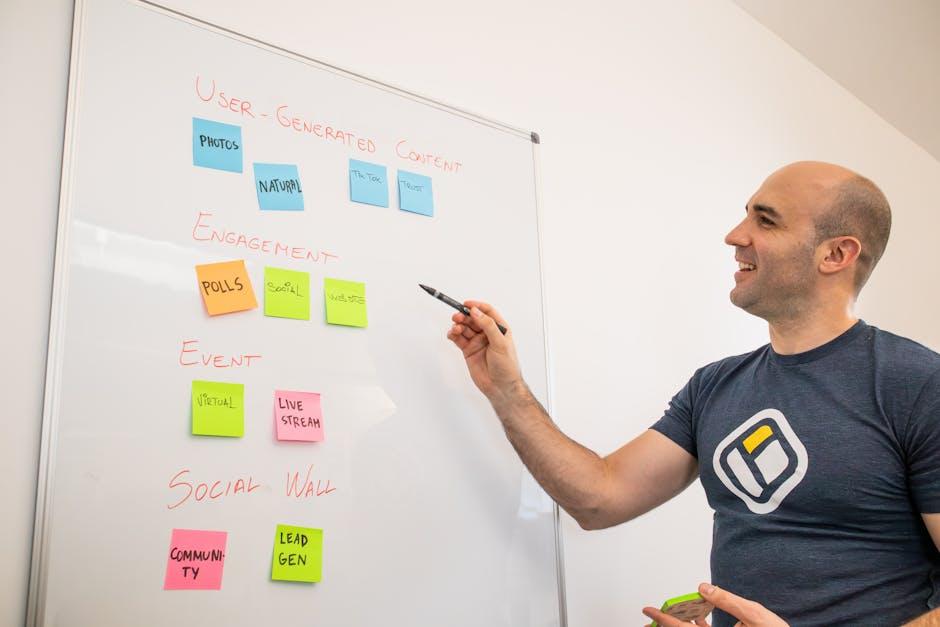
- Mind Mapping: Start with a central idea in the middle of a page and then draw branches off of it with related concepts. Use keywords and phrases to represent each branch. For example, if your essay is about the impact of social media, you could start with "Social Media" in the center and branch out with topics like "Impact on Communication," "Impact on Self-Esteem," and "Impact on Relationships." You can then further branch out from each of these ideas, adding more specific details and connections.
- Questioning: Ask yourself "who, what, where, when, why, and how" about a specific topic to explore different angles. For example, if your essay is about the history of video games, you could ask: "Who invented the first video game? What were the first video games like? Where were they played? When did video games become popular? Why are video games so popular today? How have video games evolved over time?" By asking these questions, you can uncover new and interesting insights about your topic.
- Clustering: Write down a central topic and then circle related ideas, connecting them with lines to create clusters. For example, if your essay is about the benefits of exercise, you could write "Exercise" in the center and then circle ideas like "Improved Physical Health," "Improved Mental Health," and "Increased Energy Levels." You can then connect these ideas with lines to show how they relate to each other.
Once you have a list of potential topics, it's time to narrow it down and choose the best one for your essay. Think of it like choosing your favorite song from a playlist – you want to pick the one that resonates with you the most. Here are some factors to consider:
- Your Interest: This is the most important factor! Choose a topic that genuinely excites you. Your passion will shine through in your writing, making it more engaging for both you and your reader. For example, if you're passionate about video games, don't force yourself to write about the history of the printing press – you'll likely find yourself struggling to stay motivated. Instead, explore the impact of video games on society, the evolution of gaming technology, or the benefits of playing video games.
- Audience: Who are you writing for? Is it your teacher, your classmates, or a wider audience? Tailoring your topic to your audience's interests and knowledge level will make your essay more relevant and impactful. For instance, if you're writing for a class on American history, you might choose a topic like the Civil Rights Movement, which is relevant to the course material. But if you're writing for a general audience, you might choose a broader topic like the history of social movements in the United States.
- Purpose: What is the goal of your essay? Are you trying to persuade your reader to agree with your point of view, inform them about a specific topic, or entertain them with a story? Your purpose will shape your approach to the topic. For example, if your purpose is to persuade your reader that recycling is important, you might focus on the environmental benefits of recycling. But if your purpose is to inform your reader about the history of recycling, you might focus on the development of recycling programs and technologies.
- Scope: Is your topic too broad or too narrow? Aim for a manageable scope that allows for sufficient depth. For example, writing about "the history of music" is too broad, while writing about "the history of the electric guitar" is too narrow. A good middle ground might be "the impact of the electric guitar on rock music."
- Resources: Do you have access to enough reliable information and sources to support your chosen topic? If you're writing about a topic that requires extensive research, make sure you have access to libraries, online databases, and other resources. For example, if you're writing about the impact of climate change on the Arctic, you'll need to consult scientific journals, government reports, and other reliable sources.
By carefully considering these factors, you can choose a topic that is both interesting and manageable, setting yourself up for a successful essay. Remember, the perfect topic is waiting to be discovered – just keep exploring and you'll find it!
Once you've chosen your topic, you need to develop a clear and concise thesis statement. This statement summarizes your main argument or point of view and acts as a roadmap for your essay. Think of it like a destination on a map – it tells your reader where you're going and how you plan to get there. A strong thesis statement should be:
- Specific: It should clearly state your argument and avoid broad generalizations. For example, instead of saying "Social media has a negative impact," you could say "Social media can contribute to anxiety and depression among teenagers by promoting unrealistic beauty standards and fostering social comparison."
- Debatable: It should present a claim that can be argued for or against. Avoid stating facts or opinions that are widely accepted. For example, instead of saying "Recycling is good for the environment," you could say "Government incentives are crucial for increasing recycling rates and reducing waste."
- Focused: It should address a specific aspect of the topic and avoid trying to cover too much ground. For example, instead of saying "Video games have changed over time," you could say "The rise of online gaming has created new opportunities for social interaction and competition in the gaming industry."
- Original: It should offer a fresh perspective or insight. Try to go beyond the obvious and offer a unique take on your topic. For example, instead of saying "The Civil Rights Movement was important," you could say "The Civil Rights Movement's use of nonviolent protest tactics inspired similar movements around the world."
A well-crafted thesis statement will guide your research, organize your thoughts, and help you write a focused and compelling essay. It's the foundation of your argument, so take the time to refine it until it accurately reflects your main point and sets the stage for a successful essay.
Choosing the right essay topic is a crucial step in the writing process. It's like choosing the right paint for your masterpiece – the wrong color can ruin the whole thing! By using effective brainstorming techniques and considering the factors discussed above, you can unlock your essay's potential and create a compelling and impactful piece of writing. Remember, your essay is a chance to share your unique voice and perspective with the world. So, get creative, explore your interests, and choose a topic that truly excites you! The perfect essay topic is out there, waiting for you to discover it.
Remember, Kyros.AI can help you with your essay writing journey. You can use the My Portfolio feature to keep track of your ideas and research, and the Roadmap Planning module to stay organized and on track. And if you need help with your writing, you can always reach out to the Educator Network for guidance and support. Kyros is here to help you succeed!